
Vortex Yarn Comparison: Vortex Yarn vs Ring Spun Yarn - Key Differences
When it comes to choosing the right yarn for your textile or apparel business, understanding the nuances between different yarn types is crucial. Two popular options that often come up are vortex yarn and ring spun yarn. Both have their unique characteristics, production methods, and applications. In this post, I’ll walk you through the key differences between these two yarn types, helping you make an informed decision for your next project.
Understanding Vortex Yarn Comparison
Vortex yarn is a relatively newer innovation in the yarn manufacturing world. It’s produced using a high-speed spinning process that combines the benefits of both open-end and ring spinning. The process involves feeding fibers into a vortex spinning chamber where air turbulence twists the fibers into yarn. This method results in yarn that is strong, smooth, and consistent.
One of the biggest advantages of vortex yarn is its production speed. It can be manufactured faster than traditional ring spun yarn, which means lower costs and quicker turnaround times. Additionally, vortex yarn tends to have a smoother surface, making it ideal for fabrics that require a clean, polished look.
On the other hand, ring spun yarn is the classic choice. It’s made by continuously twisting and thinning a strand of cotton fibers, producing a strong and fine yarn. This method has been around for centuries and is known for creating yarn with excellent strength and softness. Ring spun yarn is often preferred for premium quality fabrics because of its durability and luxurious feel.

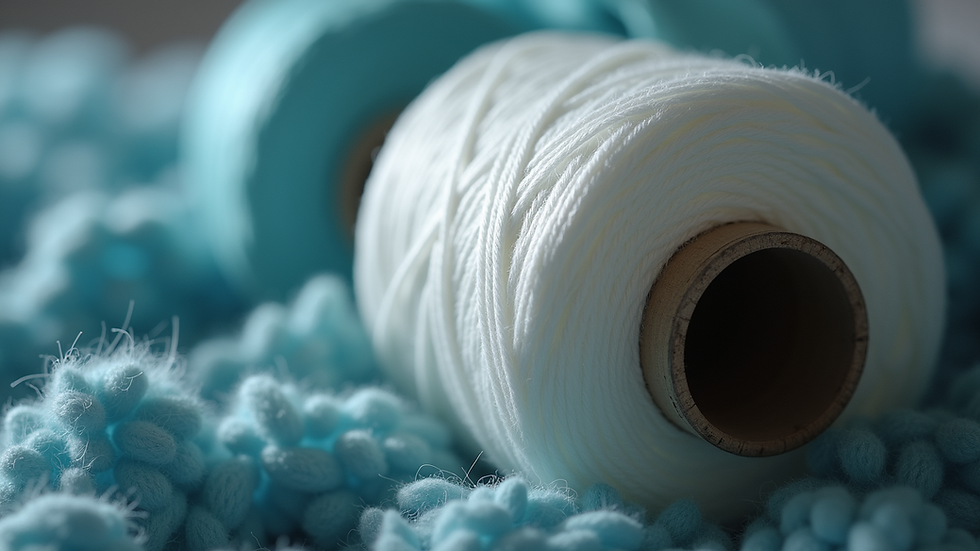
Close-up view of vortex yarn fibers twisted tightly
What is the difference between ring yarn and vortex yarn?
The main difference between ring yarn and vortex yarn lies in their spinning techniques and resulting yarn properties. Ring spun yarn is created by twisting fibers around each other using a spindle, which produces a yarn with a soft hand feel and high strength. The fibers are aligned parallel, which contributes to the yarn’s durability and smoothness.
Vortex yarn, however, is spun using air vortex technology. The fibers are fed into a vortex chamber where air currents twist them together. This process results in yarn that is less hairy and has a more uniform surface compared to ring spun yarn. The vortex spinning method also reduces the amount of fiber waste and energy consumption, making it a more sustainable option.
In terms of performance, vortex yarn offers better abrasion resistance and is less prone to pilling. Ring spun yarn, while softer, may show more wear over time due to its fiber structure. Depending on your product needs—whether it’s softness or durability—you might lean towards one over the other.

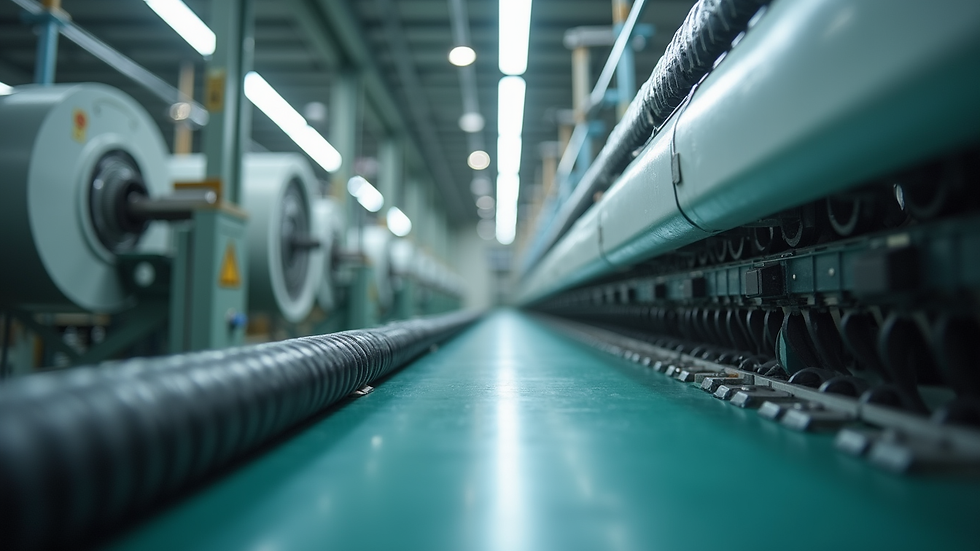
High angle view of yarn spinning machine in textile factory
Production Efficiency and Cost Implications
If you’re managing a textile business, production efficiency and cost are always top of mind. Vortex yarn production is generally faster and more energy-efficient than ring spun yarn. The vortex spinning machines operate at higher speeds and require less maintenance, which can translate into lower operational costs.
Ring spun yarn production, while slower, offers a tried-and-true process that many manufacturers trust for high-quality output. However, the slower speed and higher labor intensity can increase costs. If your business prioritizes speed and cost-effectiveness without compromising too much on quality, vortex yarn might be the better choice.
That said, ring spun yarn still holds a premium position in markets where softness and fabric hand feel are critical. For example, high-end apparel and luxury home furnishings often prefer ring spun yarn despite the higher cost.
Applications and End-Use Considerations
Choosing between vortex yarn and ring spun yarn also depends on the end use of your textile products. Vortex yarn’s smooth surface and strength make it ideal for industrial applications, sportswear, and home textiles where durability and easy care are important.
Ring spun yarn, with its softness and fine texture, is preferred for garments that come in direct contact with the skin, such as t-shirts, underwear, and premium bedding. Its luxurious feel enhances customer satisfaction in these markets.
If you’re targeting Southeast Asia or expanding globally, consider the preferences and expectations of your customers. Many markets appreciate the balance of quality and cost that vortex yarn offers, especially in fast fashion and mass production. Meanwhile, niche markets focused on sustainability and premium quality might lean towards ring spun yarn.
Sustainability and Environmental Impact
Sustainability is no longer optional in the textile industry. Both vortex and ring spun yarns have environmental considerations, but vortex yarn production tends to be more eco-friendly. The process uses less water and energy, and the reduced fiber waste contributes to a smaller carbon footprint.
Ring spun yarn production, while traditional, can be more resource-intensive. However, advances in technology and sustainable sourcing of raw materials are helping to mitigate these impacts.
If your business is committed to environmental responsibility, vortex yarn offers a compelling option without sacrificing too much on quality. It aligns well with the goals of companies like Formosa Industries Corporation, which emphasize innovation and sustainability in textile raw materials.
Making the Right Choice for Your Business
So, how do you decide between vortex yarn and ring spun yarn? Here are some practical tips:
Assess your product requirements: Do you need softness and luxury, or durability and abrasion resistance?
Consider production timelines: Is speed and cost-efficiency a priority?
Evaluate sustainability goals: How important is reducing environmental impact in your supply chain?
Know your market: What do your customers value most in textile products?
By answering these questions, you can align your yarn choice with your business objectives and customer expectations.
For a detailed comparison and to explore more about vortex yarn vs ring spun yarn, check out the resources provided by industry leaders.
Looking Ahead: Innovations in Yarn Technology
The textile industry is evolving rapidly, and yarn technology is no exception. Both vortex and ring spun yarns continue to see improvements in quality, efficiency, and sustainability. Innovations like blending fibers, enhancing spinning techniques, and integrating smart textiles are shaping the future.
Staying informed about these developments will help your business stay competitive and responsive to market trends. Whether you choose vortex yarn or ring spun yarn, investing in high-quality, innovative materials is key to success.
Choosing the right yarn is more than just a technical decision - it’s a strategic move that impacts your product quality, cost, and brand reputation. I hope this vortex yarn comparison has given you clear insights to make the best choice for your textile needs. Remember, the right yarn can elevate your products and set you apart in a competitive market.

Comments