
Yarn Quality Comparison: Evaluating Yarn Quality Against Price Effectively
- baranlinformosa
- Apr 10
- 4 min read
When it comes to sourcing yarn for your textile, apparel, or industrial projects, the balance between quality and price is crucial. You want materials that perform well, last long, and meet your sustainability goals without breaking the bank. But how do you evaluate yarn quality against price effectively? Let me walk you through the key factors and practical tips to help you make informed decisions that benefit your business.
Understanding Yarn Quality Comparison: What Really Matters?
Yarn quality isn't just about how soft or colorful the yarn looks. It’s a combination of several factors that influence the final product’s durability, appearance, and performance. When comparing yarns, consider these essential attributes:
Fiber content: Natural fibers like cotton, wool, and silk differ significantly from synthetic ones such as polyester or nylon. Each has unique properties affecting strength, elasticity, and moisture management.
Twist and ply: The way yarn is twisted and how many strands are plied together impact its strength and texture.
Evenness and consistency: High-quality yarn has uniform thickness and minimal irregularities, which ensures smooth fabric production.
Colorfastness: The ability of yarn to retain color after washing or exposure to sunlight is vital for long-lasting products.
Sustainability: Increasingly, businesses prioritize eco-friendly yarns made from recycled or organic materials.
By focusing on these factors, you can compare yarns more objectively rather than relying solely on price or brand reputation.

Practical Yarn Quality Comparison Tips for Businesses
When you’re sourcing yarn, it’s tempting to go for the cheapest option. But low price often means compromises in quality, which can lead to higher costs down the line due to defects or customer dissatisfaction. Here’s how to approach yarn quality comparison smartly:
Request samples: Always ask for yarn samples before placing large orders. This lets you test the yarn’s feel, strength, and color in your specific application.
Check certifications: Look for certifications like OEKO-TEX, GOTS, or Bluesign that guarantee certain quality and environmental standards.
Test durability: Conduct simple tests such as tensile strength or abrasion resistance to see how the yarn holds up under stress.
Evaluate supplier transparency: Reliable suppliers provide detailed information about fiber origin, processing methods, and quality control.
Consider total cost of ownership: Factor in not just the yarn price but also potential waste, production efficiency, and product lifespan.
These steps help you avoid surprises and ensure you get the best value for your investment.
How to Check the Yarn Quality?
Checking yarn quality is both an art and a science. Here are some hands-on methods you can use to assess yarn quality effectively:
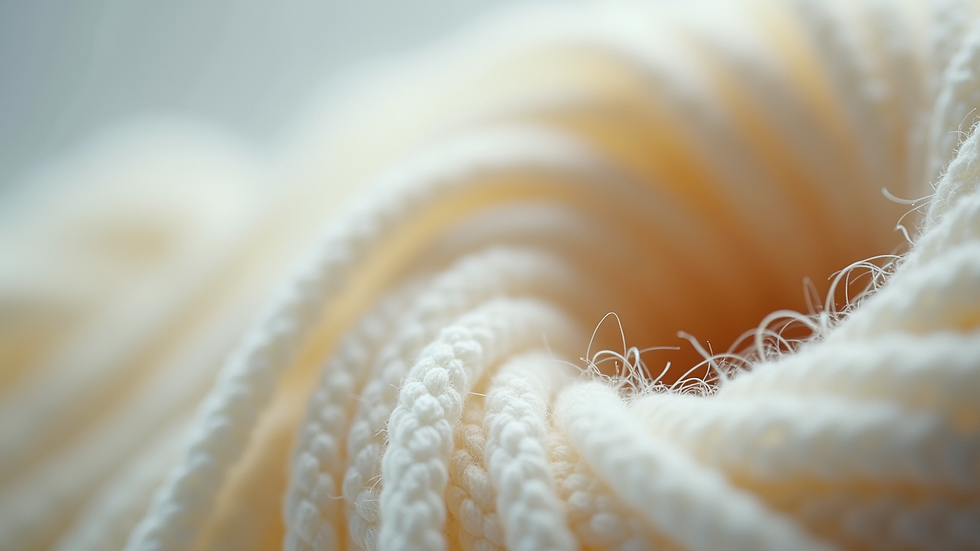
Visual inspection: Look closely for uneven thickness, knots, or fuzziness. High-quality yarn should appear smooth and consistent.
Touch test: Feel the yarn for softness, elasticity, and strength. Does it stretch and return to shape? Is it prone to breaking?
Burn test: Carefully burn a small piece of yarn to identify fiber type by smell and ash residue. (Only do this in a safe environment.)
Microscopic analysis: If possible, examine yarn fibers under a microscope to check for uniformity and fiber damage.
Knitting or weaving test: Use the yarn in a small sample project to observe how it behaves during processing and in the finished fabric.
By combining these methods, you gain a comprehensive understanding of the yarn’s quality before committing to bulk purchases.

Why Price Alone Should Not Dictate Your Yarn Choice
Price is an important factor, but it should never be the sole criterion. Cheaper yarns might save money upfront but can cause issues such as:
Frequent breakage during production, leading to downtime and waste.
Poor fabric appearance, with uneven texture or color fading.
Lower durability, resulting in customer complaints and returns.
Environmental impact, if the yarn is made from unsustainable sources.
On the other hand, investing in higher-quality yarn can improve product reputation, reduce waste, and align with sustainability goals. This is why evaluating yarn quality vs price is essential for businesses aiming to grow responsibly and profitably.
Making the Right Yarn Choice for Your Business Needs
Every business has unique requirements depending on the end product, production scale, and market expectations. Here’s how to tailor your yarn selection:
For apparel: Prioritize softness, colorfastness, and comfort. Natural fibers or blends often work best.
For home furnishings: Focus on durability, stain resistance, and ease of care.
For industrial applications: Strength, abrasion resistance, and chemical stability are key.
For sustainable brands: Look for organic, recycled, or biodegradable yarns with credible certifications.
Partnering with suppliers who understand your goals and offer transparent quality data can make this process smoother. Remember, the right yarn choice supports your brand’s promise and customer satisfaction.
Final Thoughts on Yarn Quality and Pricing Strategy
Choosing yarn is more than a purchase decision - it’s a strategic move that affects your product quality, brand image, and operational efficiency. By applying a structured approach to yarn quality comparison, you can confidently select materials that meet your standards and budget.
Keep testing, asking questions, and staying informed about new yarn technologies and sustainability trends. This proactive mindset will help your business thrive in a competitive market while supporting environmental responsibility.
Invest wisely in yarn quality today, and watch your products and reputation flourish tomorrow.
Comments